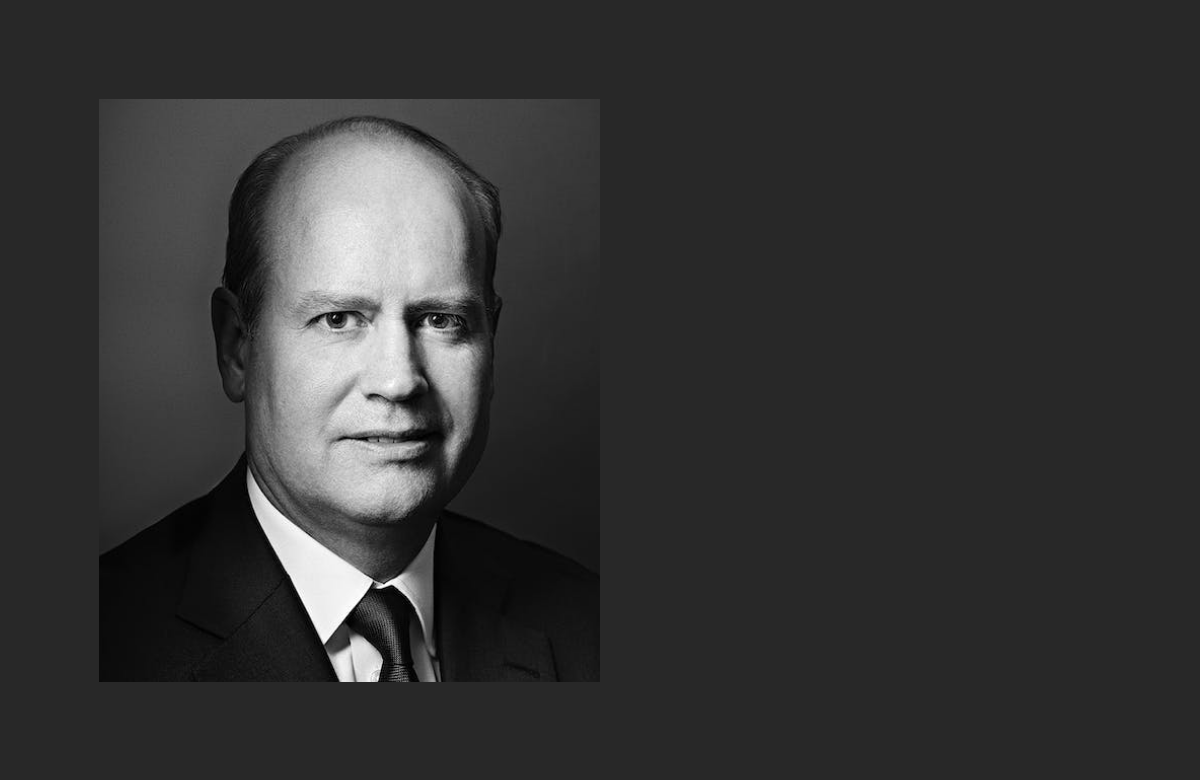
Private Equity International speaks to Bob Brown on stacked shocks & navigating PE's toughest decade
Side Letter: Stacked shocks
In today’s edition, An IR vet shares tips for navigating PE’s tech crisis; UK funds receive a major pension boost; US regulators are wary of insurance exposure to private markets.
Private equity participants are navigating one of the most challenging periods in modern financial history. That’s according to Bob Brown, a investor relations veteran whose CV includes senior stints at Carlyle Group and Advent. Brown, who joined tech-enabled financial services investor Motive Partners in 2019, reckons the confluence of a pandemic, the higher cost of borrowing and inflation, bank failures such as that of Silicon Valley Bank and First Republic, and wars in different parts of the world have led to “a very challenging” past decade.
By some accounts, the last half-decade has been the second-worst such stretch in the history of global economics due to so-called ‘stacked shocks’, Brown told PEI senior editor Adam Le.
“It’s a combination of somewhat unrelated events happening that are all stacking up on top of one another, making the risk of everything very high,” he said. An unprecedented series of stacked shocks will most likely lead to an unprecedented period of time where liquidity is weak. “I don’t think [the liquidity constraints are] specific to private equity,” he added.
Here are a few other titbits from the conversation:
- Software rut: For those who invested in software assets at higher valuations, the only way out is growth. “You’ve got to grow the underlying businesses through that turmoil,” including via changing business models, creating new products to cross-sell into existing customers, and shifting the way the product is sold from a transactional day-to-day model (for example) to a longer-term multipleyear contract one. This may require “heavy operational influence” and the PE industry stands at a moment where this needs to happen. “There’s just no other option,” he said.
- AI threat: AI is both “overhyped and underhyped”. Sponsors need to figure out key questions: Why is this business defensible? Does it own a system of record? Does it have a distribution mode? Does it provide an embedded workflow for customers that can’t be replaced? “Once you’ve ticked those off, you can figure out how to pivot around that to make that to take advantage of it as much as you can,” he said.
Up, up, and UK
The ‘democratisation’ of private markets hit new heights in the UK this week as Long-Term Asset Funds became eligible for inclusion in tax-efficient individual savings/investment accounts. The regulatory change was announced last July by UK chancellor of the exchequer Rachel Reeves and came into affect on 6 April.
According to data published this week by Morningstar, the AUM of LTAFs approved by the UK’s Financial Conduct Authority has reached £7.3 billion ($9.7 billion; €8.4 billion), up from around £5 billion last summer, with a further £3.1 billion of committed, uncalled capital. There are around 25 LTAF strategies available in the UK, according to Morningstar’s report, the majority of which invest globally. The market remains institutionally dominated, with DC pensions accounting for the majority of assets, while retail adoption is limited. This week’s shift could be a catalyst for longterm structural growth in the retail space.
“Allowing LTAFs into stocks and shares ISAs is an important signal of the direction of travel,” said Evangelia Gkeka, principal of manager research, in a statement. She also cautioned that careful due diligence will be required: “These are complex, semi-liquid products, and education… will be critical if the retail channel is to scale responsibly.”
This week’s shift marks the latest stage in expanding access to private markets investing – a trend that has been taking shape across the globe (Most recently, with the release of the US Department of Labor’s rulemaking recommendations, which will make it easier for 401(k) and other defined contribution pension fiduciaries to offer private funds in retirement plans). For the UK, progress began in 2023 with the Mansion House Compact and picked up speed in 2025 with the Mansion House Accord.
Private asset attention The US Department of the Treasury has outlined plans to meet with domestic and international insurance regulators to assess developments and risks linked to private credit as insurance companies show record levels of interest in the sector, our colleagues at Private Debt Investor report (registration required). US-based insurance companies, especially life insurers, have been attracted to private credit due to its higher yields over government securities and leveraged loans, even as they sacrifice liquidity in order to satisfy that demand for yield.
Some private credit managers, like Apollo and KKR, own life insurers, like their Athene and Global Atlantic subsidiaries, respectively. Others, like Blackstone, instead opt for a ‘capitallight’ model in which they manage the assets of insurance companies. That has led to growing demand for exposure to investment-grade private credit and asset backed finance products.
A Goldman Sachs Asset Management survey of 434 insurance company CFOs and CIOs in the US, EMEA and Asia-Pacific polled between 11 January and 3 February found that insurance businesses of all types want to increase credit risk this year by a net 14 percent and increase liquidity risk by a net 23 percent. Across all private assets, 62 percent of all insurance company CIOs and CFOs surveyed say they will increase their allocations to private assets in the next 12 months.
As interest in private credit grows, federal regulators feel the need to check in with their insurance counterparts that typically operate at the state level in the US. In a statement about its meeting with domestic and international insurance regulators, the Treasury Department said: “This first series of meetings will allow participants to survey recent market events, emerging risks, risk management practices and outlooks for the sector.”
What remains unclear is how the involvement of international insurance regulators will impact conversations with the Treasury, though the growing use of offshore reinsurance subsidiaries and questions over regulatory arbitrage could be a topic of discussion.
This Side Letter has been prepared by PEI staff.









.png)